How Little Amanya Camp Is Transforming Education for Risa Primary School in Rural Amboseli

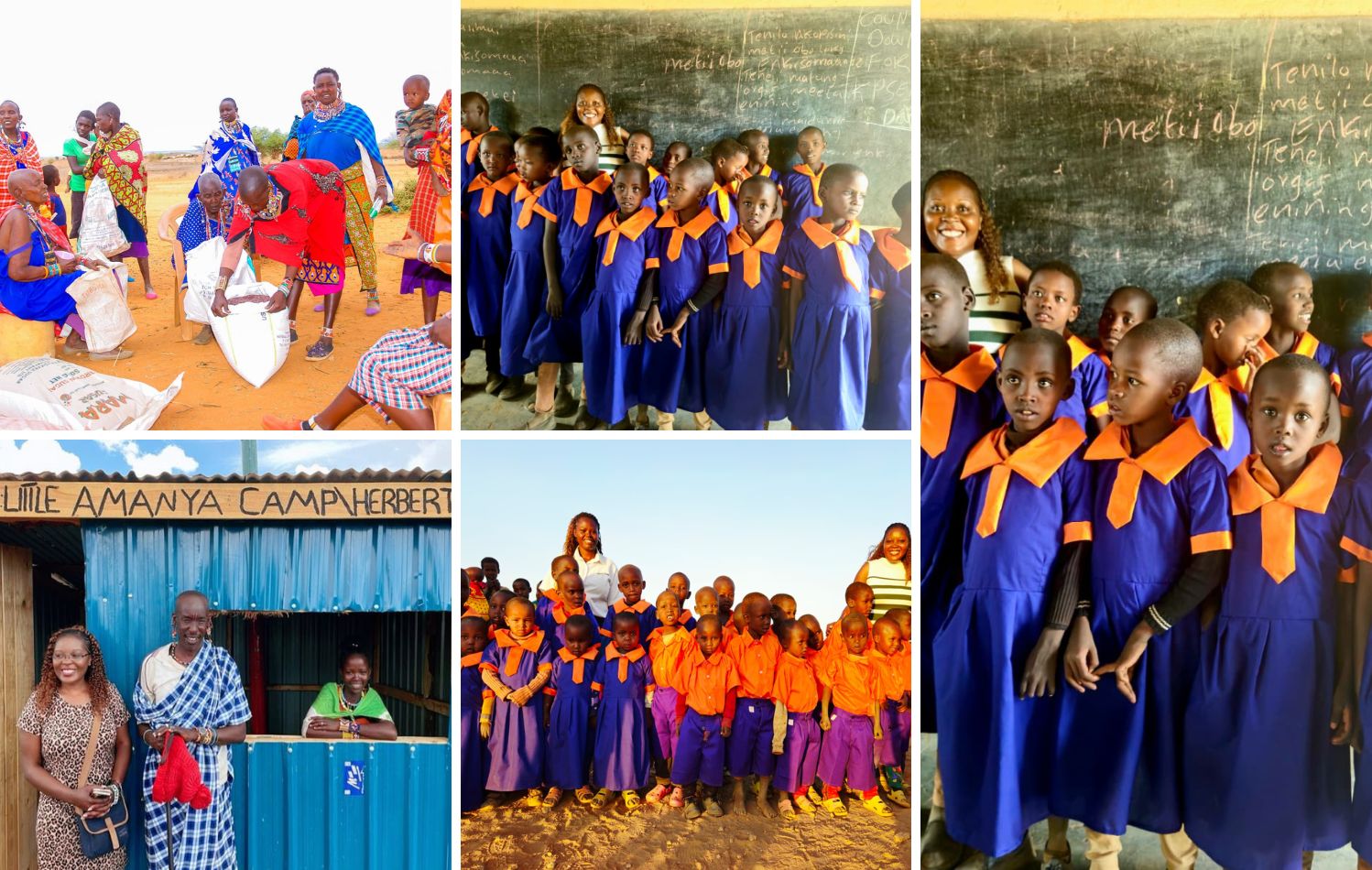
In the remote landscapes surrounding Amboseli National Park, education is both a lifeline and a challenge. For schools like Risa Primary School, serving a community deeply affected by drought, poverty, and limited infrastructure, providing quality education requires more than dedication—it requires support.
One unexpected ally has stepped forward to bridge this gap: Little Amanya Camp, a hospitality brand operating near Amboseli. While known for its unique safari accommodation, the camp has become a strong supporter of community development. Their most recent work with Risa Primary School has become a shining example of how local businesses can uplift entire communities through meaningful Corporate Social Responsibility (CSR).
Risa Primary School: Learning Amidst Hardship
Risa Primary School is located along the Kimana–Amboseli National Park Road, serving the Risa community of approximately 1,500 residents. This region experiences severe drought cycles, resulting in food insecurity, water scarcity, and economic vulnerability.
For many households, sending children to school is a daily struggle. The school relies heavily on well-wishers and organizations to supplement basic needs such as food, school supplies, and infrastructure.
Despite these challenges, Risa Primary remains a vital institution—one that gives children hope, stability, and the opportunity to build a better future.
Little Amanya Camp Steps In
Little Amanya Camp has been actively involved in supporting the school as part of its growing CSR efforts. Their contribution has evolved into a multi-level support system that addresses both immediate needs and long-term educational sustainability.
Here is a detailed look at the impact they have made:
1. Providing Essential Food Supplies
Food insecurity is one of the biggest barriers to consistent school attendance. Many children come to school without having eaten, making it difficult to concentrate in class.
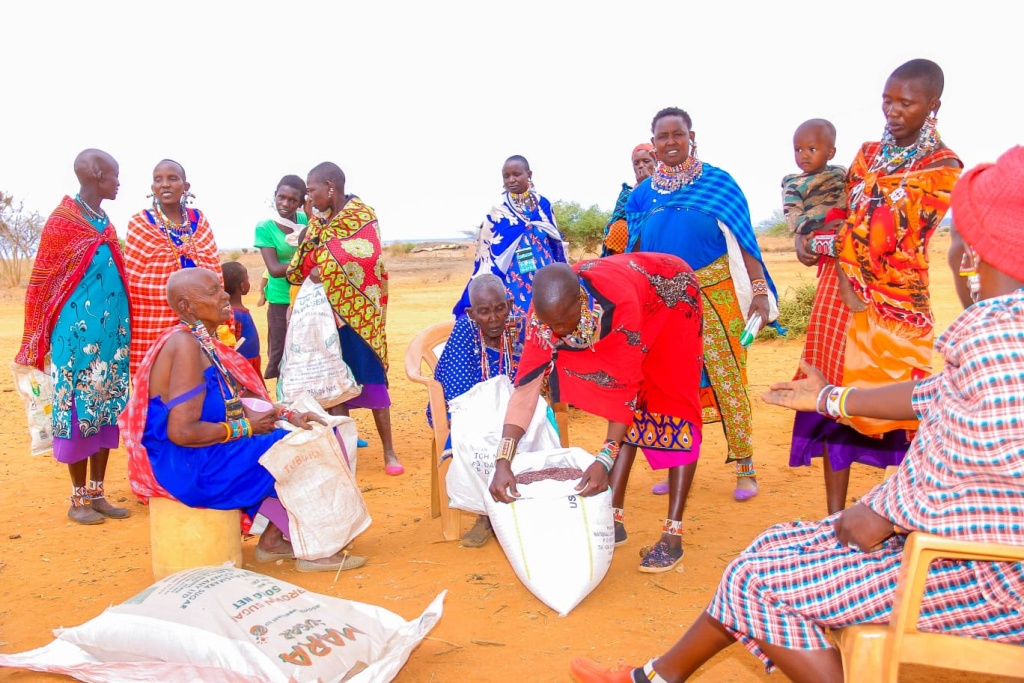
Little Amanya Camp has provided food products to help sustain the school feeding program. These contributions ensure that learners receive at least one reliable meal—an intervention that significantly improves attendance, attention, and overall wellbeing.
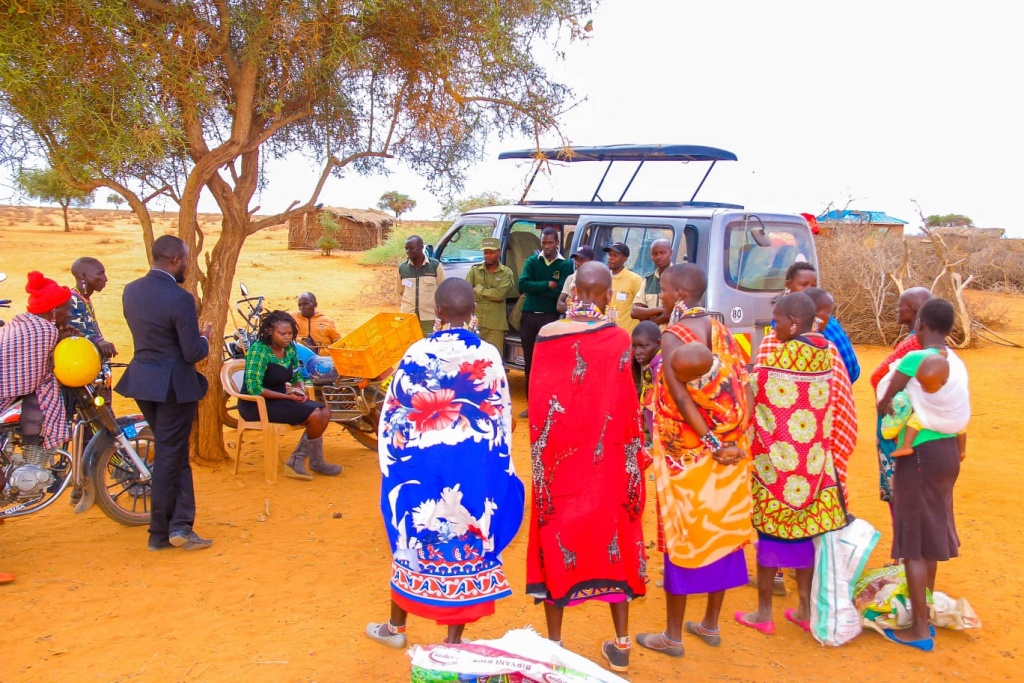
Teachers have noted increased morale among students, especially younger pupils who benefit most from nutritional stability.
2. Donating Shoes to Learners
For many children in rural Amboseli, a pair of shoes is a luxury. Walking long distances barefoot exposes them to infections, injuries, and extreme temperatures.
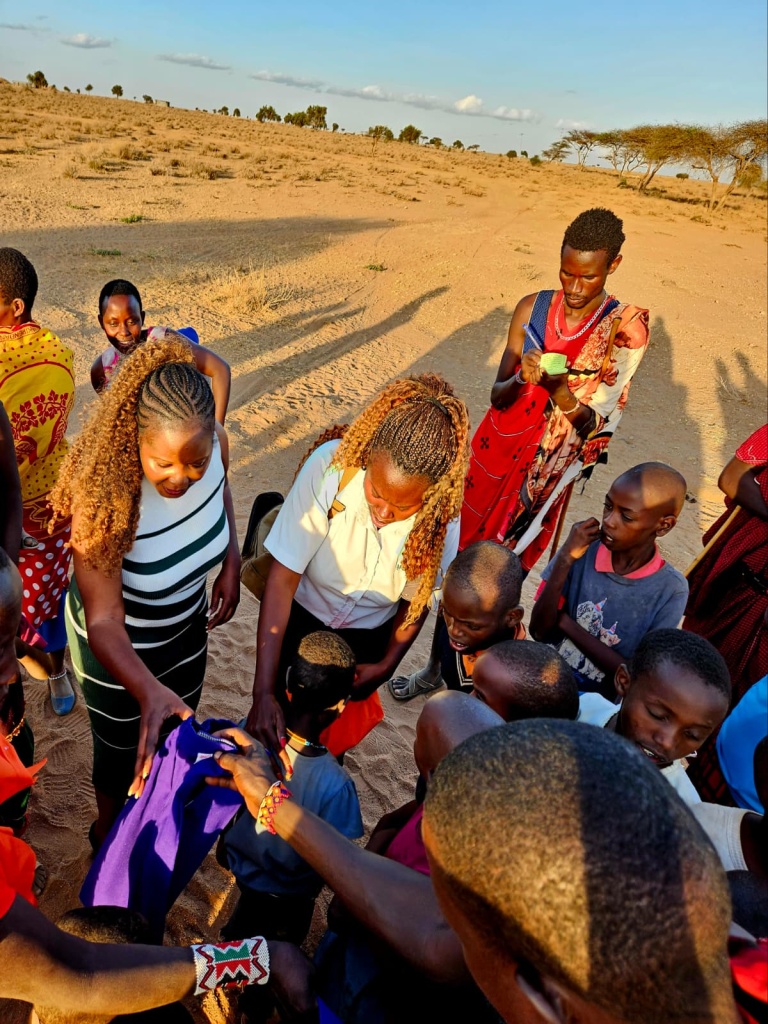
To restore dignity, safety, and comfort, Little Amanya Camp donated 107 pairs of school shoes, distributed across multiple sizes:
- Size 27 – 15 pairs
- Size 29 – 20 pairs
- Size 30 – 35 pairs
- Size 32 – 30 pairs
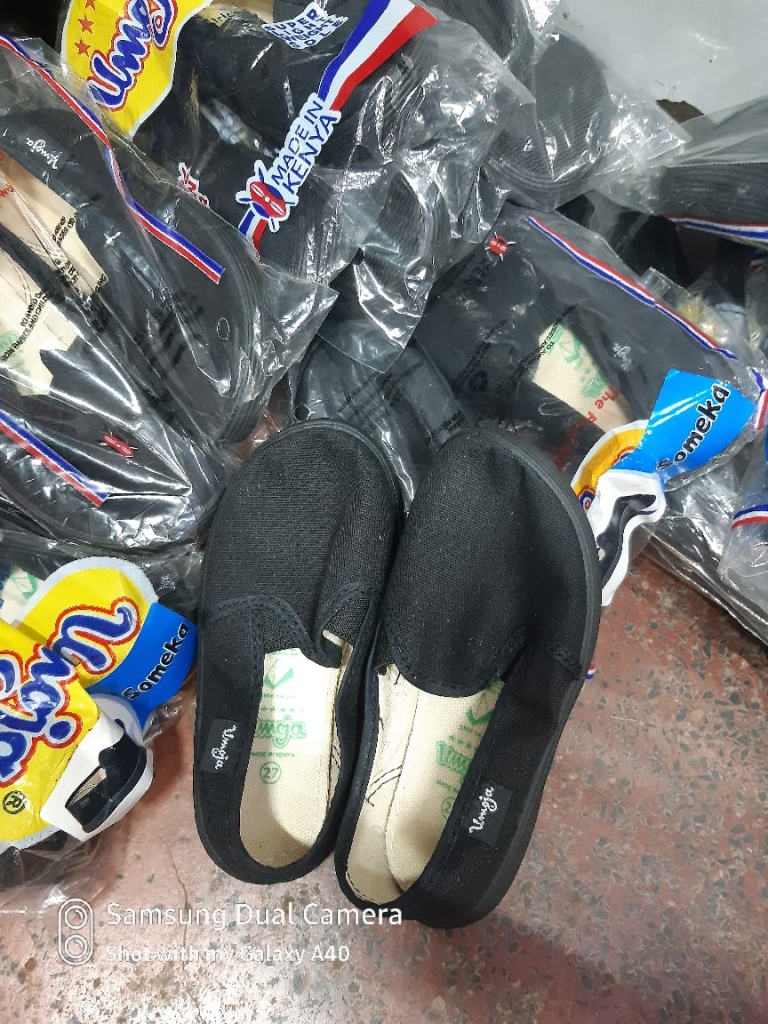
Seeing learners proudly wearing their new shoes was a heartwarming moment for teachers and the entire community. For the children, it was more than footwear—it was a confidence boost and a reminder that their future matters.
3. Providing School Uniforms
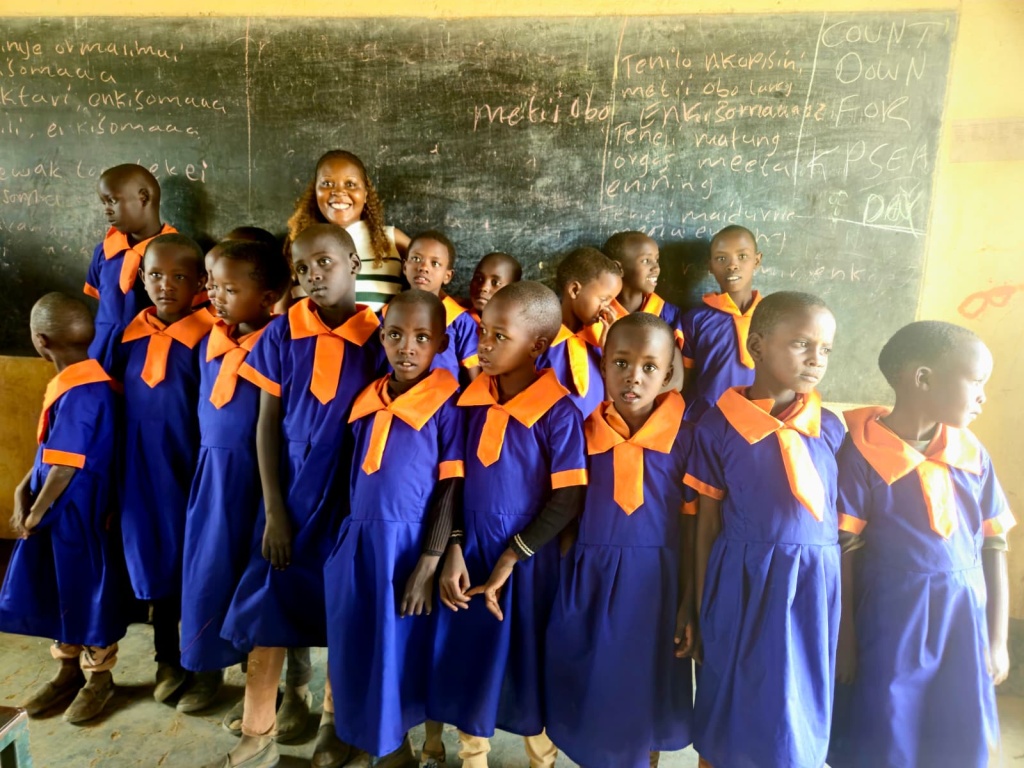
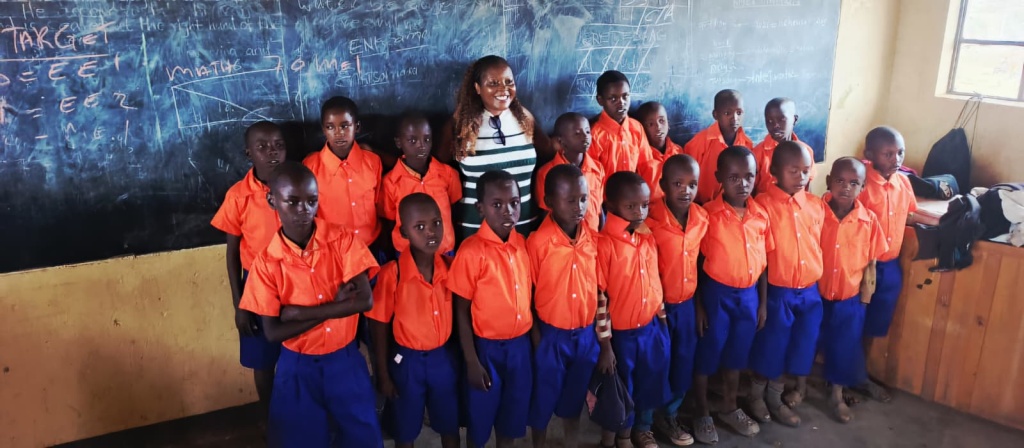
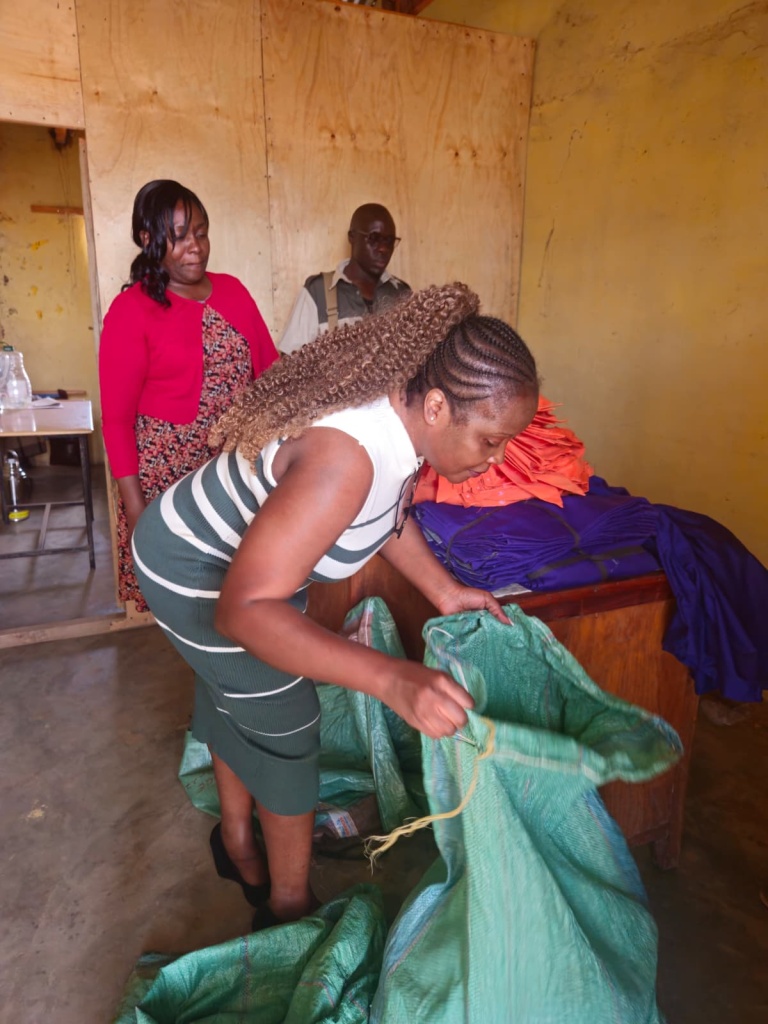
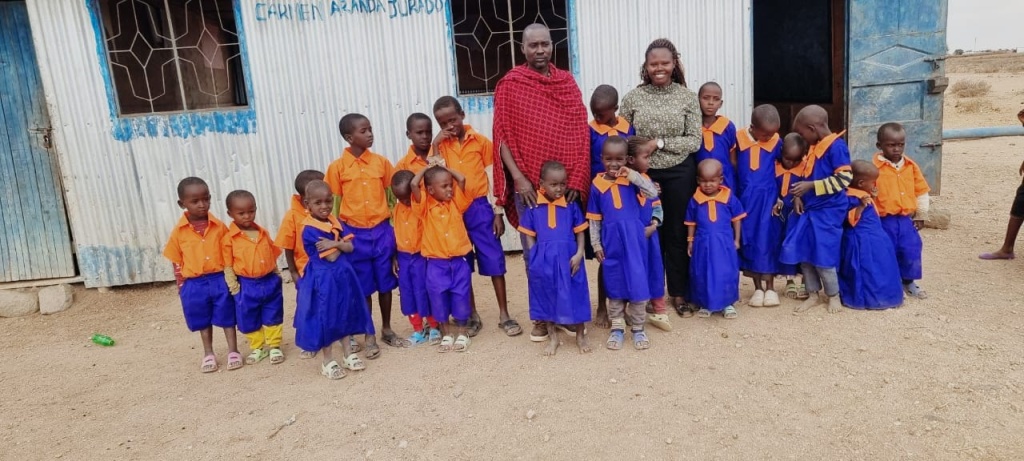
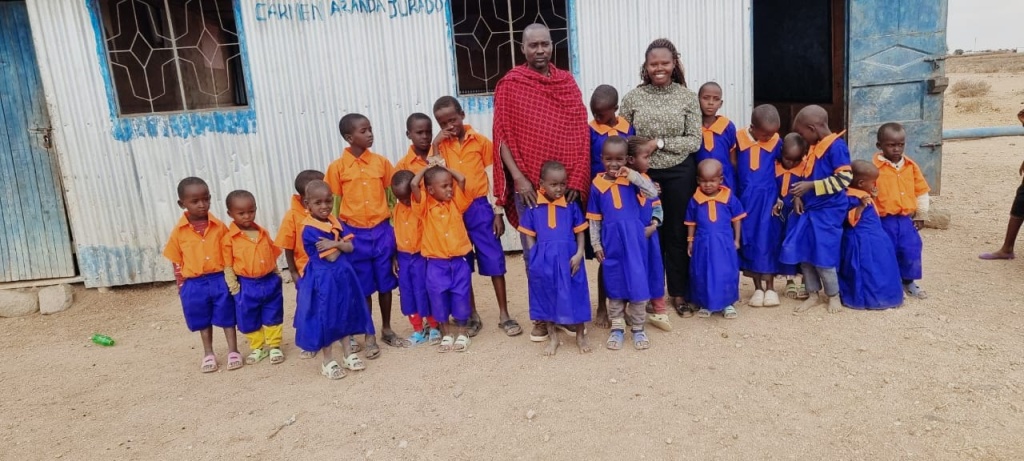
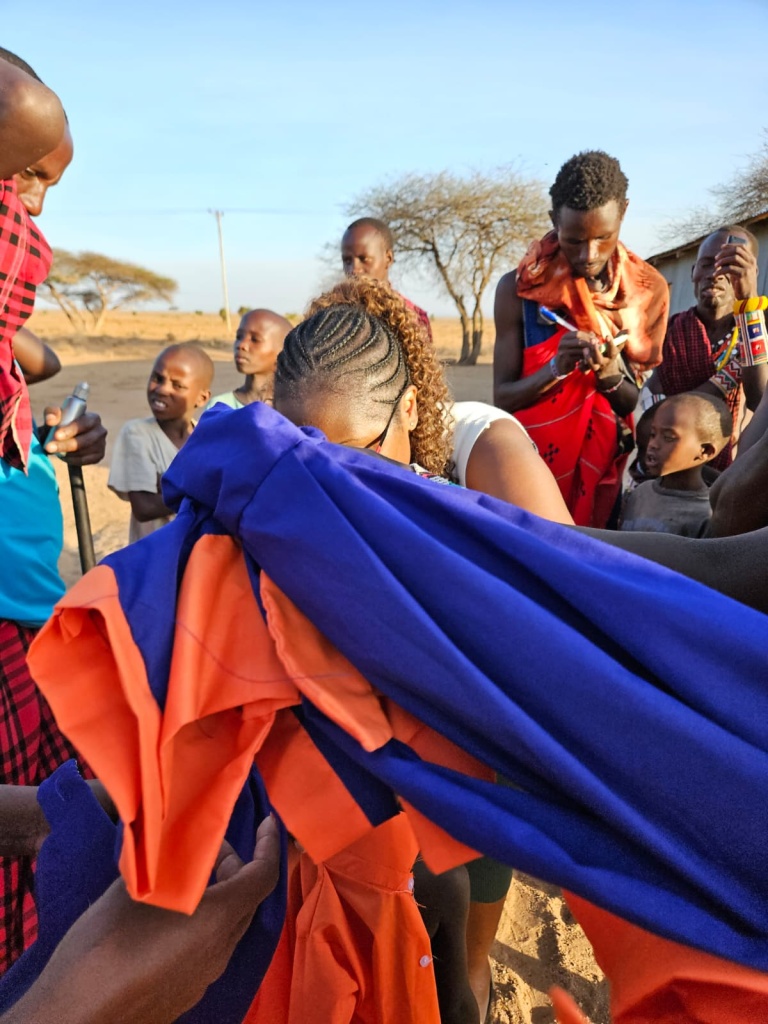
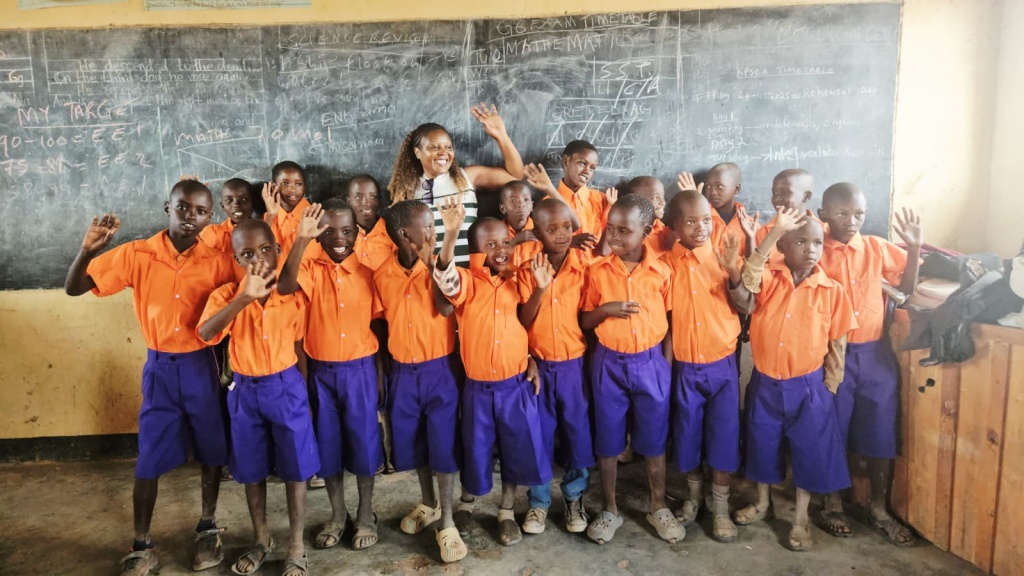
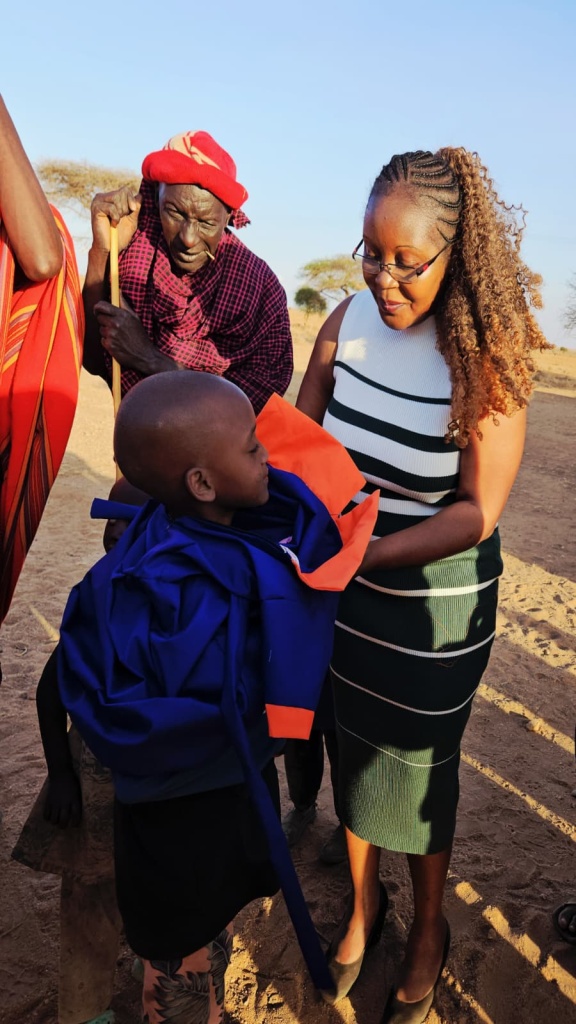
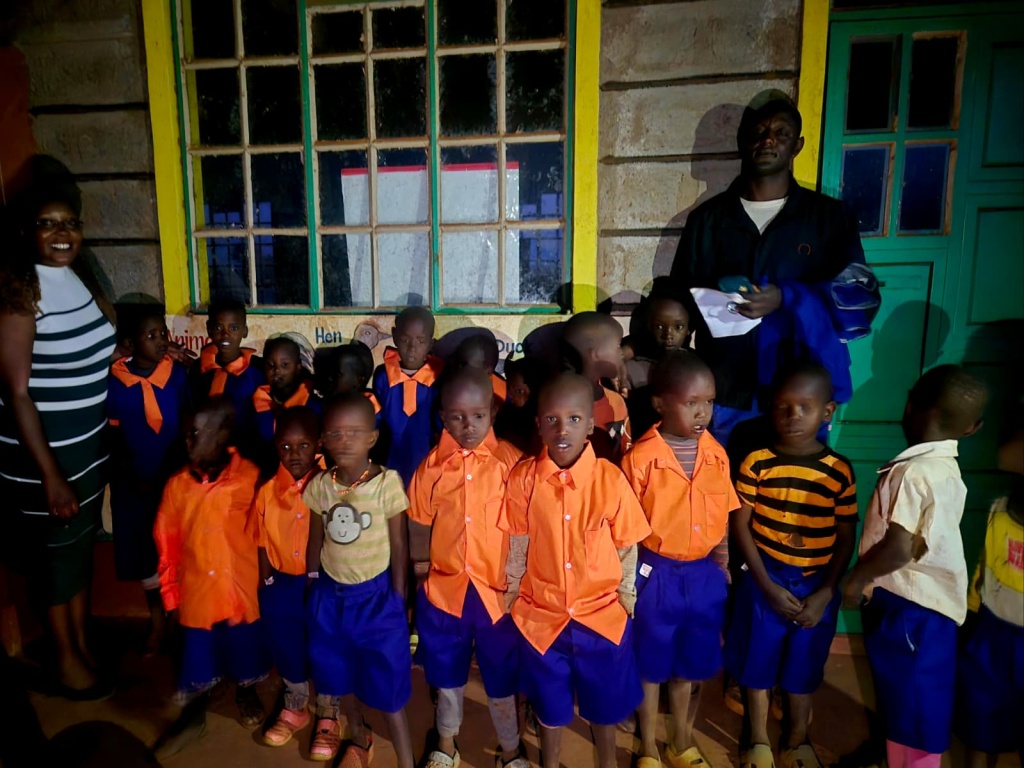
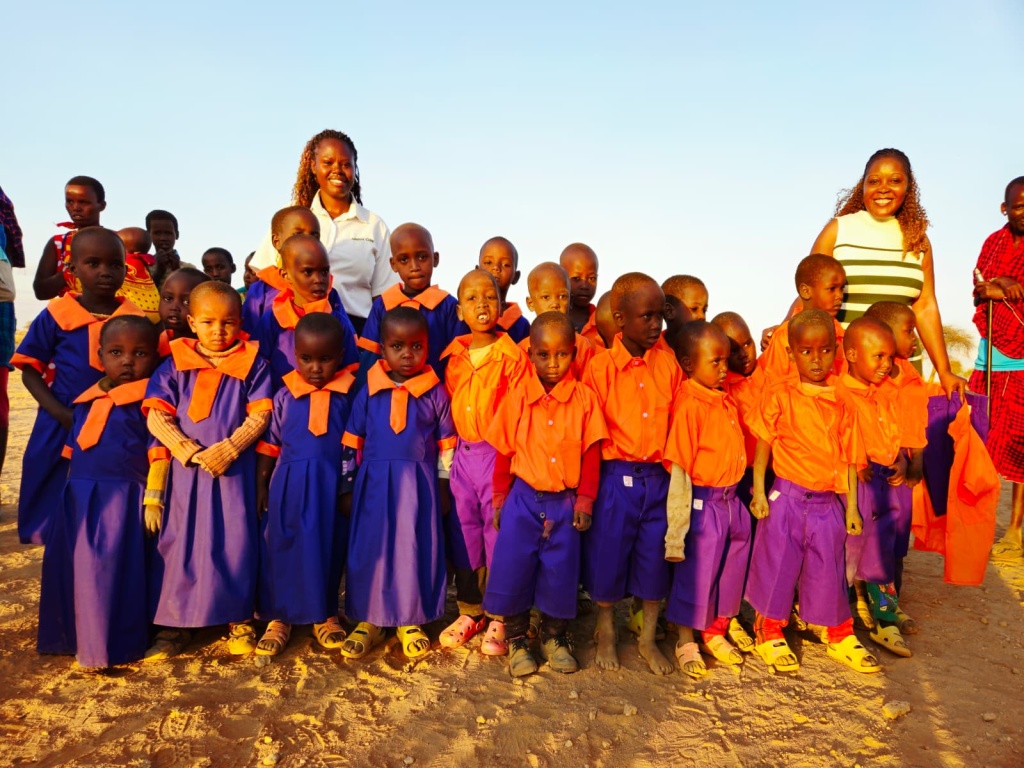
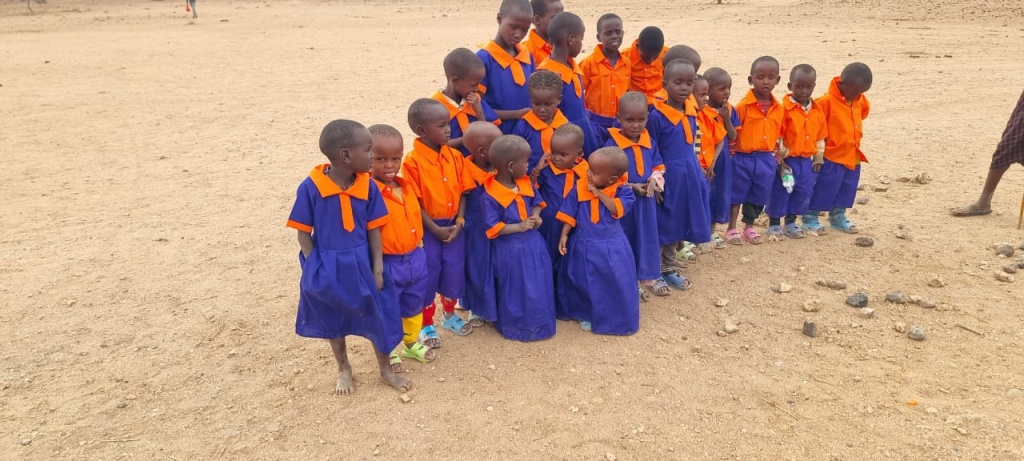
The camp also donated brand-new school uniforms, which were distributed to pupils in the lower primary levels. The bright, clean uniforms not only enhance the children’s sense of belonging but also reduce the financial burden on families already struggling with basic needs.
Pictures taken on distribution day show rows of smiling children dressed uniformly—an uplifting sight that symbolized equality, pride, and hope.
4. Building a Much-Needed School Toilet
During their visits, Little Amanya Camp learned from teachers that the school’s most urgent infrastructural need was sanitation. With inadequate toilet facilities, learners were exposed to unsafe conditions that impacted hygiene and dignity.
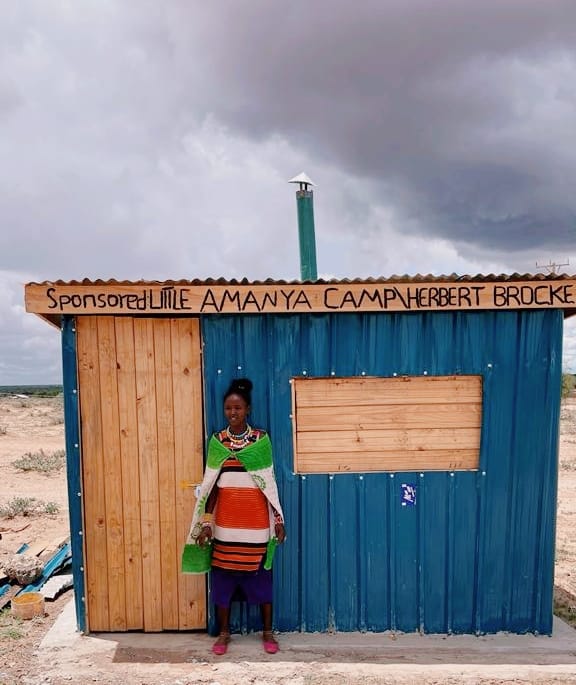
In response, the camp funded and constructed a new school toilet for Risa Primary School.
This simple yet essential project has drastically improved sanitation standards and given learners a safe and private facility—especially important for girls.
5. Constructing a New School Kitchen
The school previously lacked a functional kitchen, making meal preparation challenging. Little Amanya funded the construction of a properly built kitchen, ensuring that school meals can now be prepared in a clean, hygienic, and safe environment.
The community celebrated this addition with heartfelt gratitude, recognizing how transformative a kitchen is to the school feeding program.
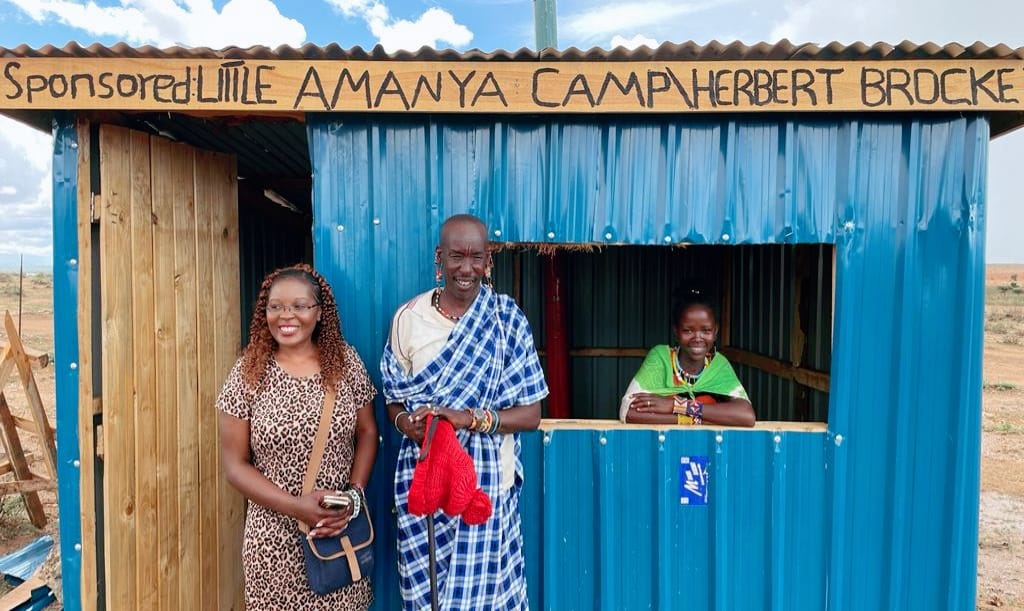
A short appreciation video from the school’s cook is expected to be released soon.
Community Impact: More Than Donations
The support from Little Amanya Camp has had ripple effects across the community:
- Improved student attendance
- Better concentration and academic participation
- Increased hygiene and sanitation standards
- Boosted morale among teachers and learners
- Ease of financial pressure on parents
Teachers reported that children arrived home excited, proud, and eager to return to school—proof that even small interventions can spark big changes in a child’s life.
Why This CSR Story Matters
Rural schools across Kenya depend on the generosity and involvement of local actors. When small and medium businesses like Little Amanya Camp step in, the impact is immediate and deeply felt.
This collaboration demonstrates:
- The powerful role of community-driven CSR
- How tourism businesses can support local education
- The importance of partnership in regions affected by poverty and drought
- The difference that targeted, practical contributions can make
In a world where CSR is often a checkbox, the relationship between Little Amanya Camp and Risa Primary School stands out as truly heartfelt, community-centered, and transformative.
Looking Ahead
With improved facilities, a stronger feeding program, and renewed energy among learners, Risa Primary School is on a better path forward. Little Amanya Camp has expressed its commitment to continuing this partnership, ensuring that education in Amboseli remains both accessible and empowering.
Their work serves as a reminder that meaningful change starts with compassion—and that every child, regardless of where they are born, deserves the chance to learn, dream, and thrive.