Do This Before Traveling to Africa

Introduction
Planning a trip to Africa? Fantastic choice! Africa is a vast, vibrant continent filled with breathtaking landscapes, diverse cultures, and some of the friendliest people you’ll ever meet. But before you pack your bags and hop on that plane, there are a few essential things you should do to ensure your trip goes smoothly.
Understand the Diversity of Africa
Many travelers make the mistake of thinking of Africa as a single country. In reality, it’s a continent made up of 54 distinct nations, each with its own languages, traditions, and laws. Traveling to Morocco is entirely different from visiting Kenya or South Africa.
So, before you book your flight, narrow down your destination and learn what makes that country unique—its cuisine, religion, dress code, and climate.
Research Your Destination
Every country has its own rhythm.
- Culture: Learn local customs to avoid unintentional disrespect.
- Safety: Check travel advisories from your government and read recent traveler reviews.
- Local laws: Some items or gestures might be harmless elsewhere but offensive or illegal locally.
Doing a bit of research ensures you travel confidently and respectfully.
Check Visa and Entry Requirements
Visa policies in Africa vary greatly. Some countries like Kenya, Rwanda, and Tanzania offer e-visas, while others have visa-free arrangements for specific nationalities. Make sure your passport is valid for at least six months after your planned return date.
Also, some countries require proof of Yellow Fever vaccination before entry—especially if you’re coming from or transiting through a risk zone.
Get Your Vaccinations and Health Checks
Africa’s beauty comes with a few health precautions. Common recommended vaccines include:
- Yellow Fever (mandatory in many countries)
- Hepatitis A & B
- Typhoid
- Tetanus
- COVID-19 (some countries may still ask for proof)
Don’t forget malaria prevention pills and mosquito repellent. A quick visit to a travel clinic can save you a lot of trouble later.
Travel Insurance Is a Must
Never underestimate the importance of travel insurance. It’s not just about medical emergencies—it also covers lost luggage, flight cancellations, and theft. Choose a plan that includes evacuation coverage, especially if you’ll be visiting remote areas or going on safaris.
Budget and Currency Preparation
Africa uses a variety of currencies, from the Kenyan Shilling to the South African Rand. Always check the latest exchange rates and download a currency converter app.
In East Africa, mobile money (like M-Pesa) is widely used, while credit cards are more common in major cities. Keep some small cash for rural areas or local markets.
Pack Smart for African Climates
Africa’s climate ranges from the scorching Sahara to the cool highlands of Ethiopia. So, pack accordingly:
- Light, breathable clothes for the heat
- A warm layer for chilly nights
- Comfortable walking shoes
- A power bank, universal adapter, and sunscreen
Don’t forget a hat and insect repellent—they’re lifesavers.
Respect Local Culture and Traditions
Culture is the heartbeat of Africa. Dress modestly, especially in conservative or rural areas. Always ask before taking photos of people, and avoid public displays of affection where they might be frowned upon.
A respectful traveler is always welcomed with open arms.
Learn Basic Local Phrases
A simple “thank you” in the local language can work wonders. Try these:
- Swahili (East Africa): “Asante” – Thank you
- French (West & Central Africa): “Merci”
- Arabic (North Africa): “Shukran”
Locals appreciate the effort—it shows respect and curiosity about their culture.
Stay Connected
Getting a local SIM card is easy and affordable. Safaricom (Kenya), MTN (Nigeria), and Vodacom (South Africa) are major providers. Download offline maps and translation apps in advance for convenience.
Transportation Tips
Depending on where you’re headed, transportation options vary:
- In cities: Use ride-hailing apps like Uber or Bolt.
- Between cities: Buses are common, but check schedules and reviews.
- In rural areas: Consider renting a 4×4 or using local guides.
Always confirm fares beforehand to avoid surprises.
Money-Saving Tips
Africa offers incredible experiences without breaking the bank.
- Negotiate politely in markets; bargaining is part of the culture.
- Eat where locals eat—it’s cheaper and authentic.
- Avoid over-priced “tourist” excursions unless they add real value.
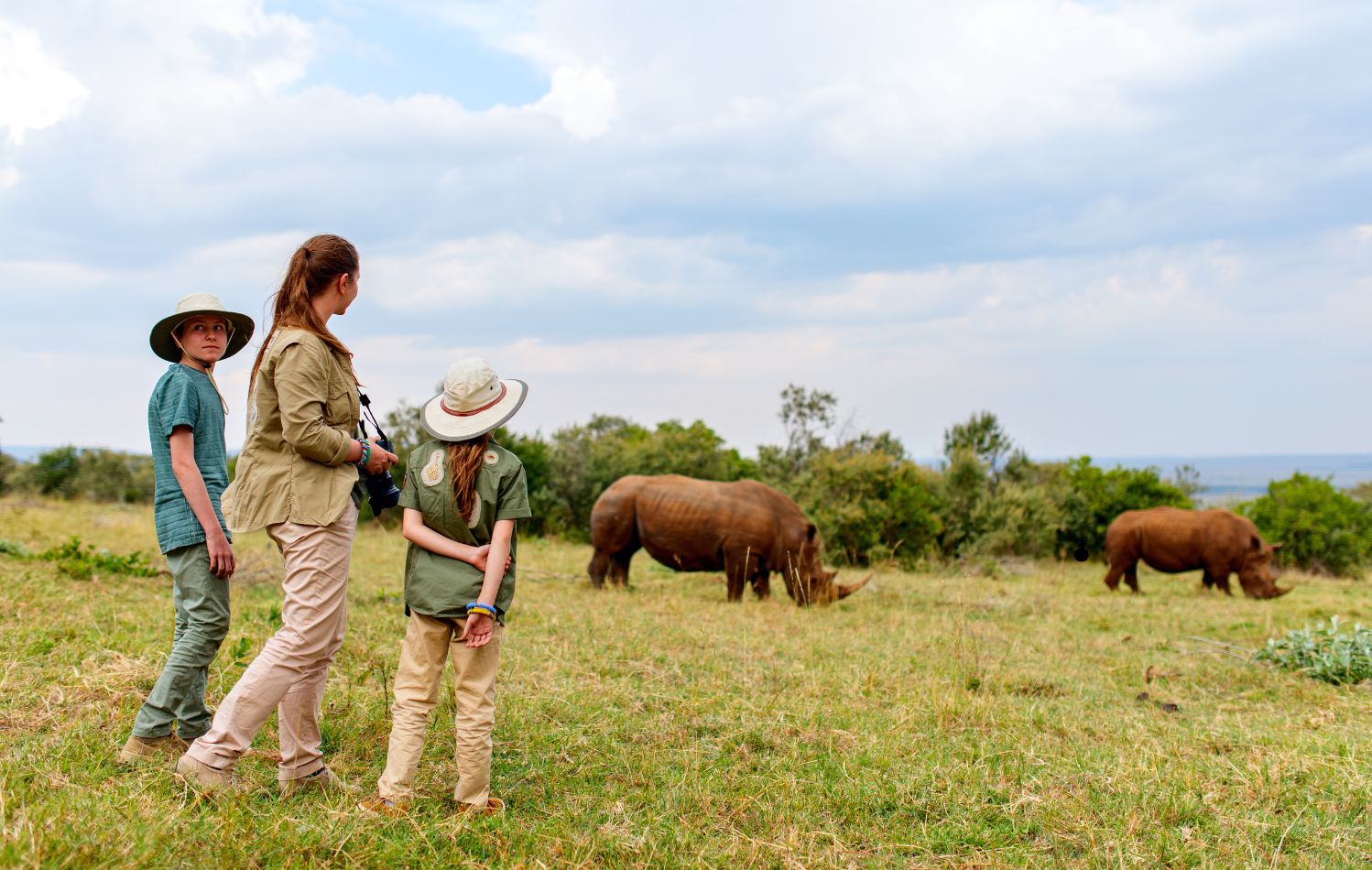
Respect Nature and Wildlife
If you’re visiting for a safari or nature trip, always follow park rules:
- Stay inside vehicles during game drives.
- Never feed animals.
- Avoid single-use plastics and dispose of waste properly.
Remember, you’re a guest in their home.
Emergency Preparedness
Always know where your embassy or consulate is located. Save emergency numbers for local police, ambulance, and medical facilities. Many African cities have excellent hospitals and clinics, but rural areas may have limited options—so plan ahead.
Conclusion
Traveling to Africa is more than a trip—it’s an experience that can transform your worldview. With the right preparation, you’ll not only stay safe and healthy but also connect deeply with its people, landscapes, and spirit.
So, pack smart, stay curious, and get ready for an adventure of a lifetime.
FAQs
1. What is the best time to travel to Africa?
The best time varies by region. For safaris, June to October (dry season) is ideal. For beach vacations, December to March works best.
2. Do I need travel insurance for Africa?
Yes. It’s strongly recommended to cover medical emergencies, theft, and trip cancellations.
3. Can I use my credit card in Africa?
In major cities, yes. However, in rural areas, cash or mobile money is preferred.
4. What is the safest country to visit in Africa?
Countries like Botswana, Namibia, Ghana, and Mauritius are considered among the safest for tourists.
5. What should I avoid doing in Africa?
Avoid disrespecting local cultures, being careless with wildlife, or displaying expensive gadgets in public.