Book Review: The Art of Spending Money — Morgan Housel’s Brilliant Guide to a Richer, Wiser Life

Introduction: From Earning Freedom to Enjoying It
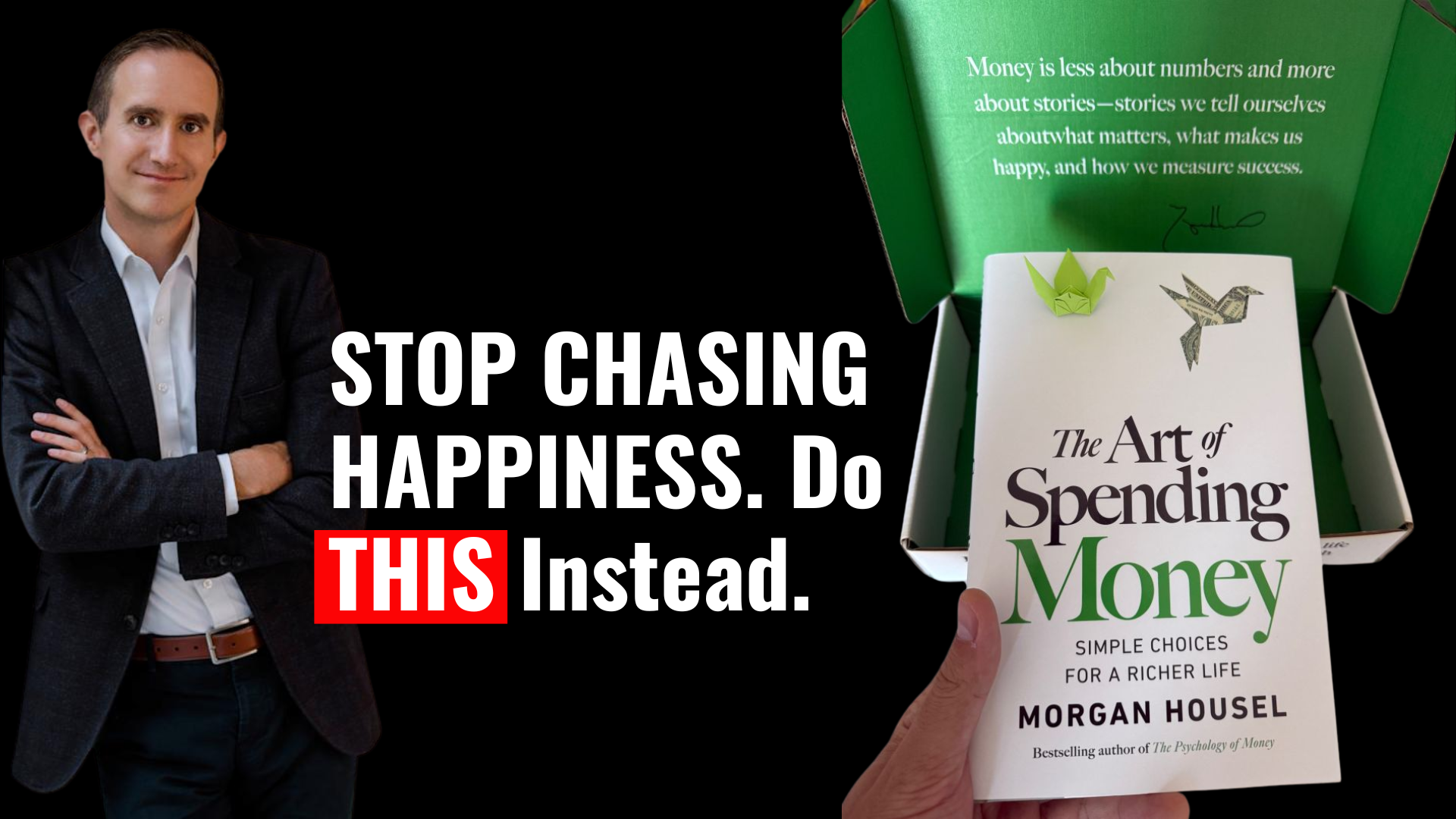
After The Psychology of Money became a global phenomenon, Morgan Housel returns with another timeless work—The Art of Spending Money: Simple Choices for a Richer Life (2025). Where his first book taught readers how to build wealth, this one teaches us how to use it wisely.
Housel reminds us that “money is less about numbers and more about stories.” He argues that happiness doesn’t come from more zeroes in your bank account but from understanding why and how we spend. In an age where consumerism often defines success, this book re-examines what it truly means to live richly.
The Central Question: Can Money Buy Happiness?
Housel’s answer is both “yes” and “it’s complicated.” Money can buy comfort and opportunities, but it can also magnify insecurity, envy, and confusion. True happiness, he says, is not found in the amount of money you have but in how you use it to shape a life of meaning and independence.
He opens with the story of a woman disappointed after perfect LASIK surgery because it didn’t deliver the emotional transformation she expected. Just as vision correction didn’t fix her self-esteem, wealth alone can’t fix discontent. That parable sets the tone: the psychology of spending is about self-awareness, not spreadsheets.
Why This Book Matters in 2025
As the global economy shifts and social media flaunts curated lifestyles, The Art of Spending Money feels perfectly timed. Housel invites us to question the endless chase for “more”—a trap fueled by comparison culture. His writing bridges behavioral economics and philosophy, encouraging us to measure success not in assets but in peace of mind.
He writes, “There are two ways to use money. One is as a tool to live a better life. The other is as a yardstick of status to measure yourself against others.” This distinction captures modern society’s financial anxiety—and points the way out.
Structure and Style
The book is divided into short, insightful essays—each a standalone reflection yet interconnected through one unifying theme: money as an art form.
Chapters like “The Happiest People I Know,” “Everything You Don’t See,” and “Wealth Without Independence Is a Unique Form of Poverty” flow with Housel’s trademark storytelling—simple, relatable, and profoundly human.
His tone remains humble, occasionally humorous, but always thought-provoking. Rather than prescribing formulas, he explores the messy intersection of emotion, identity, and ambition. The effect is both liberating and challenging: there’s no universal way to spend; there’s only your way.
Key Lessons from The Art of Spending Money
1. All Behavior Makes Sense with Enough Information
Housel begins by showing how everyone’s spending habits are rooted in personal history. A luxury purchase might look wasteful—until you understand the insecurity or trauma behind it. “Never make fun of how someone spends their money,” he writes. “They learned it from living.”
This empathy-driven perspective reframes personal finance as an act of understanding, not judgment. It’s also a reminder that financial advice without context often fails.
2. You Don’t Want Money — You Want Respect and Attention
In one of the book’s standout chapters, “May I Have Your Attention Please,” Housel reveals that most people chase wealth to gain admiration. Yet status achieved through possessions fades quickly. A fancy car might earn a glance, but kindness, humor, and integrity earn lasting respect.
He advises readers to “show off the inside of your house, not the outside”—to invest in the relationships and experiences that truly matter. It’s a fresh, modern antidote to Instagram materialism.
3. The Happiest People Are Content, Not Rich
Borrowing from Stoic philosophy and psychology, Housel observes: “If your expectations grow faster than your income, you will never be happy.” Contentment, not accumulation, defines real wealth.
He explains that the mind’s dopamine circuits reward anticipation, not possession. That’s why every upgrade—car, home, gadget—loses its thrill. The solution? Stop chasing the next level. Happiness is the state when nothing is missing.
4. Money Can’t Fix You
One of Housel’s most poignant insights is that money amplifies who you already are. If you’re insecure, anxious, or unfulfilled, more income won’t heal those wounds. He cites real-world examples—from billionaires with broken relationships to celebrities who remain unhappy despite success.
“The best use of money,” he writes, “is as a tool to leverage who you are, but never to define who you are.” This message resonates deeply in an age where net worth often substitutes for self-worth.
5. Wealth Without Independence Is Poverty
Housel argues that the ultimate goal of money isn’t luxury—it’s freedom. Wealth loses meaning when it comes with anxiety, overwork, or social pressure. Independence—the ability to say no—is the highest dividend money can pay.
This echoes themes from The Psychology of Money but with more emotional maturity. Here, Housel pushes readers to evaluate not just financial success but personal sovereignty: Are you living life on your terms?
Why It Resonates
Psychological Depth
Unlike traditional finance books that obsess over budgets and ROI, The Art of Spending Money explores the human condition—envy, fear, pride, and love. It’s self-help disguised as finance.
Universality
Housel never moralizes. Whether you’re a high-earner in Nairobi or a college graduate in New York, his reflections apply equally. Everyone wrestles with the same paradox: wanting more versus being enough.
Timeless Wisdom
Drawing from Stoics, psychologists like Carl Jung, and anecdotes from history, he distills ancient truths into modern language. His writing belongs in the same lineage as Seneca, Naval Ravikant, and James Clear.
Standout Quotes
- “Money is both a financial asset and a psychological liability.”
- “Spending money to show people how much money you have is an expensive way to gain respect.”
- “Enduring happiness is found in contentment; those happiest with money are those who have found a way to stop thinking about it.”
- “The best measure of wealth is what you have minus what you want.”
Each line feels tweet-worthy yet profound enough to linger for days.
Strengths and Weaknesses
✅ Strengths
- Readable and relatable: Short essays make it ideal for casual readers.
- Emotionally intelligent: Housel balances data with humanity.
- Actionable philosophy: Encourages reflection rather than rigid rules.
⚠️ Weaknesses
- Readers seeking investment tactics or “how-to” strategies might find it too abstract.
- Its introspective tone may feel repetitive for those unfamiliar with behavioral finance.
Still, these are minor trade-offs for a book that redefines what “rich” truly means.
Practical Takeaways
- Audit your happiness, not your expenses. Ask, “Does this purchase make me freer or more dependent?”
- Invest in relationships and health—the real luxury goods.
- Beware of lifestyle inflation; gratitude compounds faster than money.
- Define your ‘enough.’ Without that limit, satisfaction remains forever out of reach.
- Spending is storytelling. Make sure the story you’re telling aligns with your values, not society’s expectations.
Conclusion: The Art of Living, Not Just Spending
Morgan Housel’s The Art of Spending Money is not a finance manual—it’s a mirror. It forces readers to confront uncomfortable truths: we often chase money for reasons we don’t understand, hoping it will fill emotional voids it never can.
By the final chapter, you realize that wealth is measured not in possessions but in peace—the quiet confidence that you have enough.
For anyone tired of consumer rat-races, influencer lifestyles, or the myth that happiness has a price tag, this book offers rare clarity. It’s the modern companion to The Psychology of Money—and perhaps the most necessary money book of the decade.
Morgan Housel new book 2025, The Art of Spending Money review, book summary, personal finance psychology, how to spend money wisely, money and happiness, financial contentment, best personal finance books 2025, Penguin Random House Portfolio, behavioral finance review.